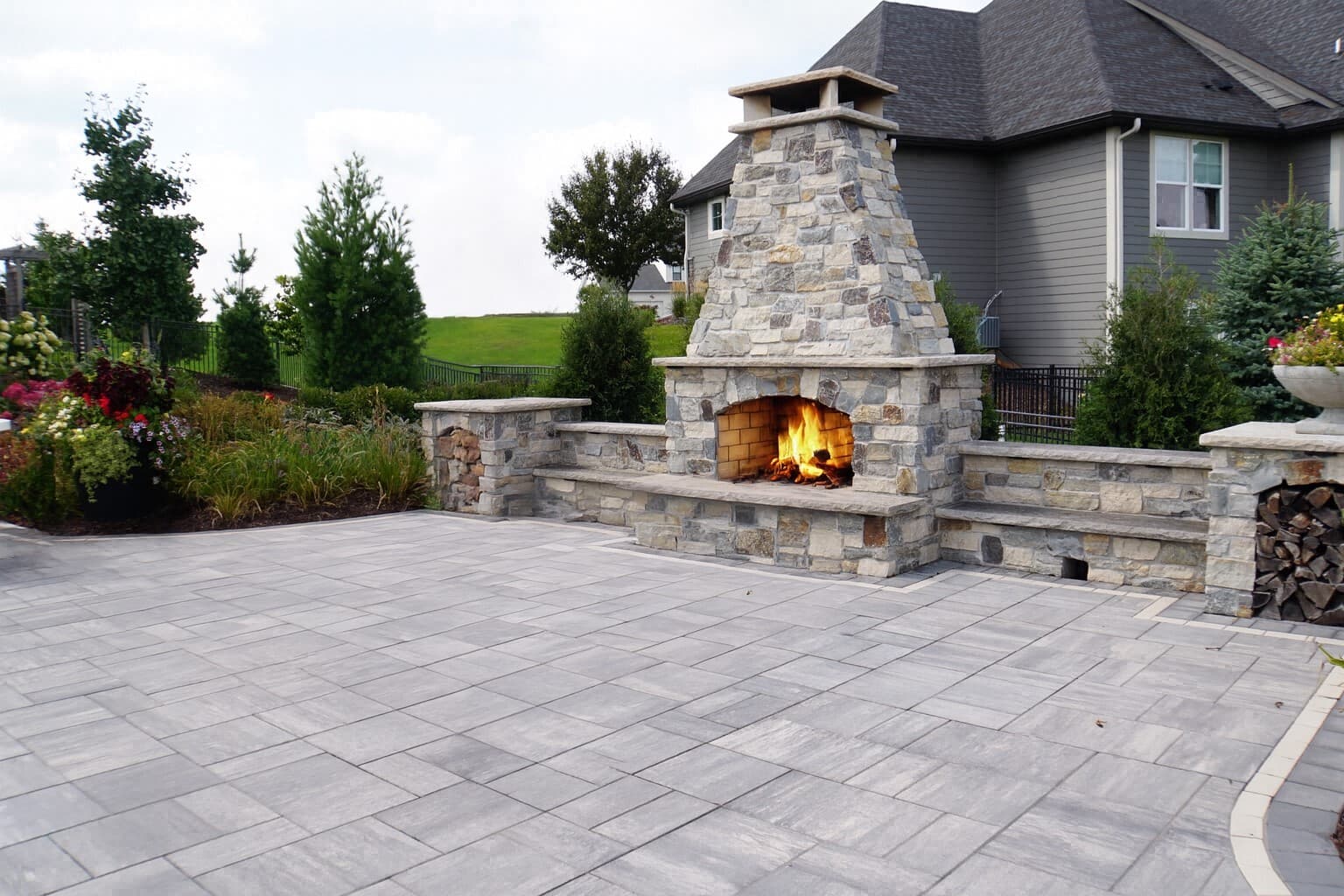
Paver patio installation
A patio base built to survive Utah winters.

Get a free quote
By submitting you agree to be contacted about your project. We respect your privacy. For faster service, call (801) 949-1533.
What's included
A paver patio is only as good as what's underneath it. We excavate to proper depth, compact a real base layer, and set pavers on a leveled bedding course with correct joint sand and edge restraint — not a few inches of gravel and hope.
You choose the paver style, pattern, and border — from clean modern rectangles to a more traditional tumbled look — and we size the patio to how you'll actually use it, whether that's a dining set, a full outdoor living area, or a simple side-yard sitting space.
Here's what actually happens under a patio built to last: we excavate 7–9 inches below finished grade, then compact a road-base aggregate layer in 2-inch lifts with a plate compactor until it's dense enough to walk on without leaving a footprint — that base typically ends up 4–6 inches thick after compaction. On top of that goes a 1-inch bedding layer of coarse sand, screeded dead level (or to a slight slope away from the house), before pavers are set by hand to your chosen pattern. Once they're laid, we cut borders with a wet saw for a clean edge, lock everything in with steel or plastic edge restraint spiked every 12 inches, then run the plate compactor over the whole surface again to seat the pavers into the bedding sand before sweeping polymeric joint sand into the gaps and setting it with water.
How it works
Step by step, here's what actually happens on site:
- 1Excavate 7–9" below finished grade
- 2Compact the soil subgrade to at least 98% standard Proctor density (ASTM D 698)
- 3Spread and compact road-base aggregate in 2" lifts, 4–6" total thickness
- 4Screed a 1" bedding-sand layer perfectly level (or to a slight slope away from the house)
- 5Lay pavers to your chosen pattern, cutting borders with a wet saw for a clean edge
- 6Install steel or plastic edge restraint, spiked every 12"
- 7Compact the pavers into the bedding sand, then sweep in polymeric jointing sand and set it with water
Why Ironwood
Utah's freeze-thaw cycles punish patios with weak base prep — that's the single biggest reason paver patios heave or settle within a couple of years, and it's the step we don't cut corners on.
We handle drainage and grade away from the house as part of every patio, so water doesn't pool against your foundation or undermine the base later.
Edge restraint gets spiked in on every patio, no exceptions — it's a small, cheap part that's the difference between pavers staying locked together for decades and slowly spreading apart at the edges within a few seasons.
Our process
- 01
Consultation
We walk your property, listen to how you want to use the space, and talk through rough budget and timeline — no pressure, no obligation.
- 02
Design
We put together a plan with real material choices and layout, sized to your yard and your budget, not a generic template.
- 03
Build
Our crew handles grading, base prep, and installation to spec, with the owner checking in on progress at key milestones.
- 04
Walkthrough
We walk the finished space with you, confirm everything meets expectations, and cover care and maintenance before we consider the job done.
Project gallery
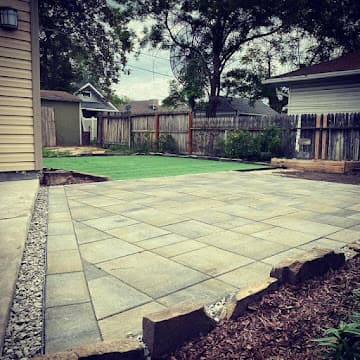
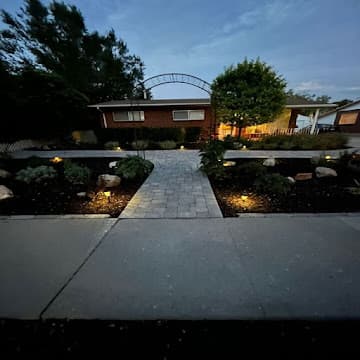
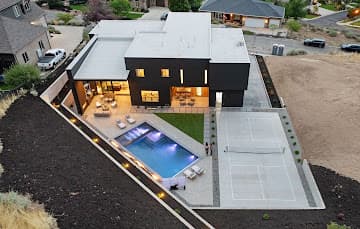
Paver patio installation FAQ
How long does a paver patio installation take?
A typical residential patio runs a few days to about a week depending on size, site access, and drainage work involved.
What's the difference between pavers and stamped concrete?
Pavers are individual units that can be repaired or replaced without redoing the whole surface, and they handle ground movement better than a single poured slab. We can walk you through both during your estimate.
Will my patio settle or shift over time?
Not if the base is built correctly, which is why we don't shortcut compaction and drainage — it's the part of the job you can't see once it's finished, but it's the part that matters most.
Can you match or extend an existing paver patio?
In many cases yes, depending on paver availability — we'll assess during your estimate.